
Oil Expeller Press
What is an Oil Expeller?
An oil expeller is a mechanical oil extraction machine that uses a rotating screw shaft to press oil out of oilseeds through continuous mechanical pressure - no chemicals, no solvents involved. Businesses and individuals prefer oil expellers because the process is completely mechanical and transparent - seeds go in, pure oil comes out, and nothing artificial enters the product.
- Used everywhere - homes, small businesses, commercial oil mills, food processing units, and agro-processing facilities for producing fresh, pure edible oil
- Multi-seed compatible - handles groundnut, mustard, sesame, sunflower, soybean, coconut copra, flaxseed, castor, neem, karanj, cottonseed, palm kernel, and more - one machine, multiple seeds
- Simple extraction process - seeds feed into the hopper, the rotating screw pushes them through a tightening barrel, pressure builds, oil drains out through gaps in the barrel wall
- Zero waste - the solid remainder exits as oil cake, a valuable by-product widely used as animal feed
- Two extraction options - Nilsan's Cold Organic Oil Press Machine for chemical-free premium oil, and the Automatic Commercial Oil Press Machine for high-volume continuous production
- Trusted manufacturer - Nilsan India is a reliable oil machine manufacturer offering ISO certified, food-grade machines for every production scale with genuine after-sales support
How Does an Oil Expeller Work?
The oil expeller works through a straightforward mechanical process that converts raw oilseeds into pure extracted oil in five clear stages.
Step 1 - Oil Seeds : Raw oilseeds - groundnut, sesame, mustard, sunflower, soybean, and more - are the starting point. The seeds should be clean and at the right moisture level before entering the machine. Excess moisture or debris reduces oil yield and can damage internal components over time.
Step 2 - Feeding Hopper : Clean seeds are loaded into the feeding hopper at the top of the machine. From here, seeds move into the pressing chamber at a consistent rate. Even, steady feeding is important - irregular loading causes uneven pressure inside the chamber and reduces the quality and quantity of oil extracted.
Step 3 - Screw Press : This is where the actual extraction happens. A rotating screw shaft inside the pressing barrel pushes seeds forward while the available space gets progressively smaller. As seeds travel through the barrel, the pressure on them builds continuously. This is the core mechanism that separates oil from the solid seed material.
Step 4 - Oil Extraction : As pressure peaks inside the barrel, the oil inside the seeds has no choice but to separate and flow out through the small gaps in the barrel wall. It drains down into a collection vessel below the machine. The oil at this stage is raw and unfiltered - it goes through a filter unit to remove seed particles before it is ready for use or storage.
Domestic Home Use Oil Press


Mini Commercial Oil Press Machine


Commercial Oil Press Machine
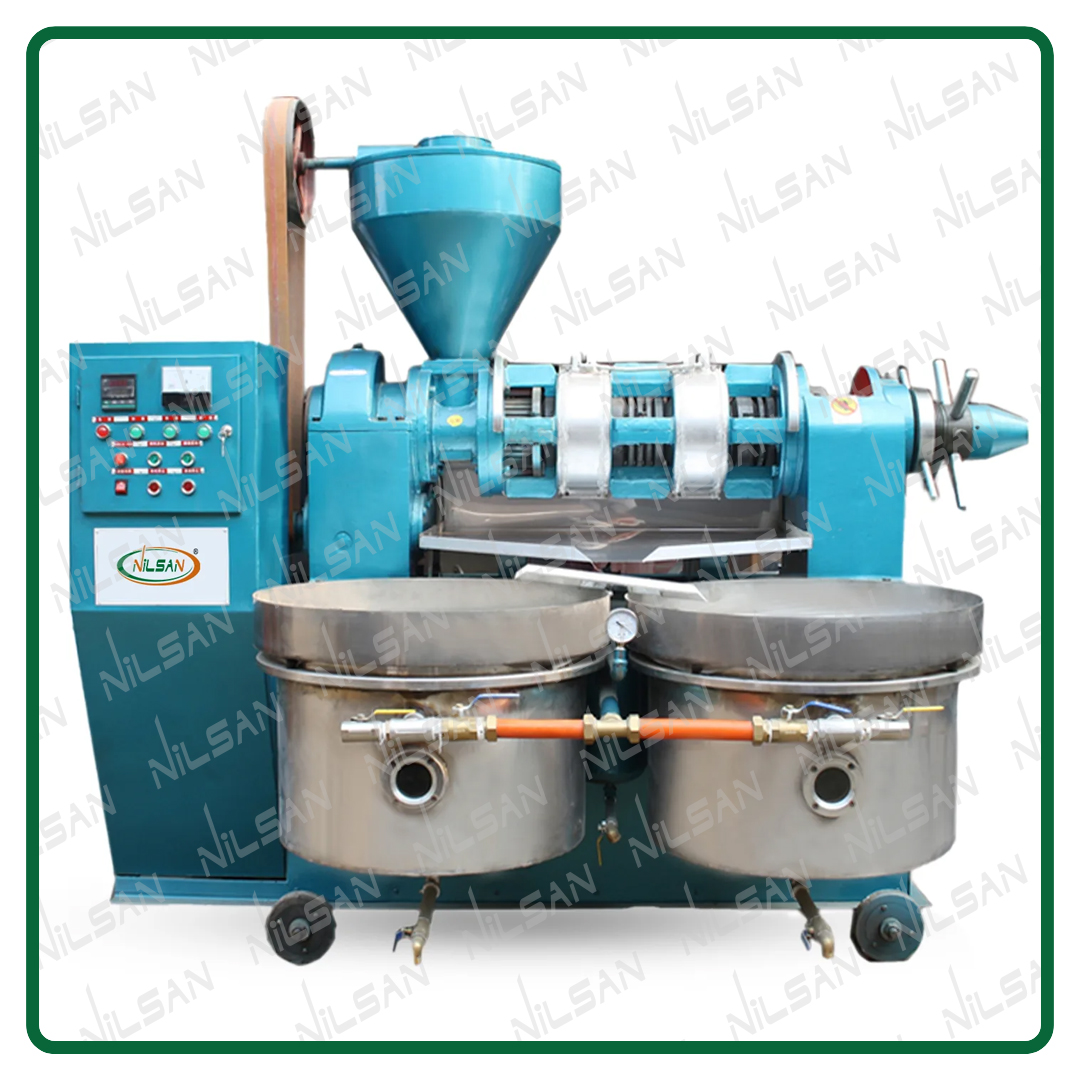
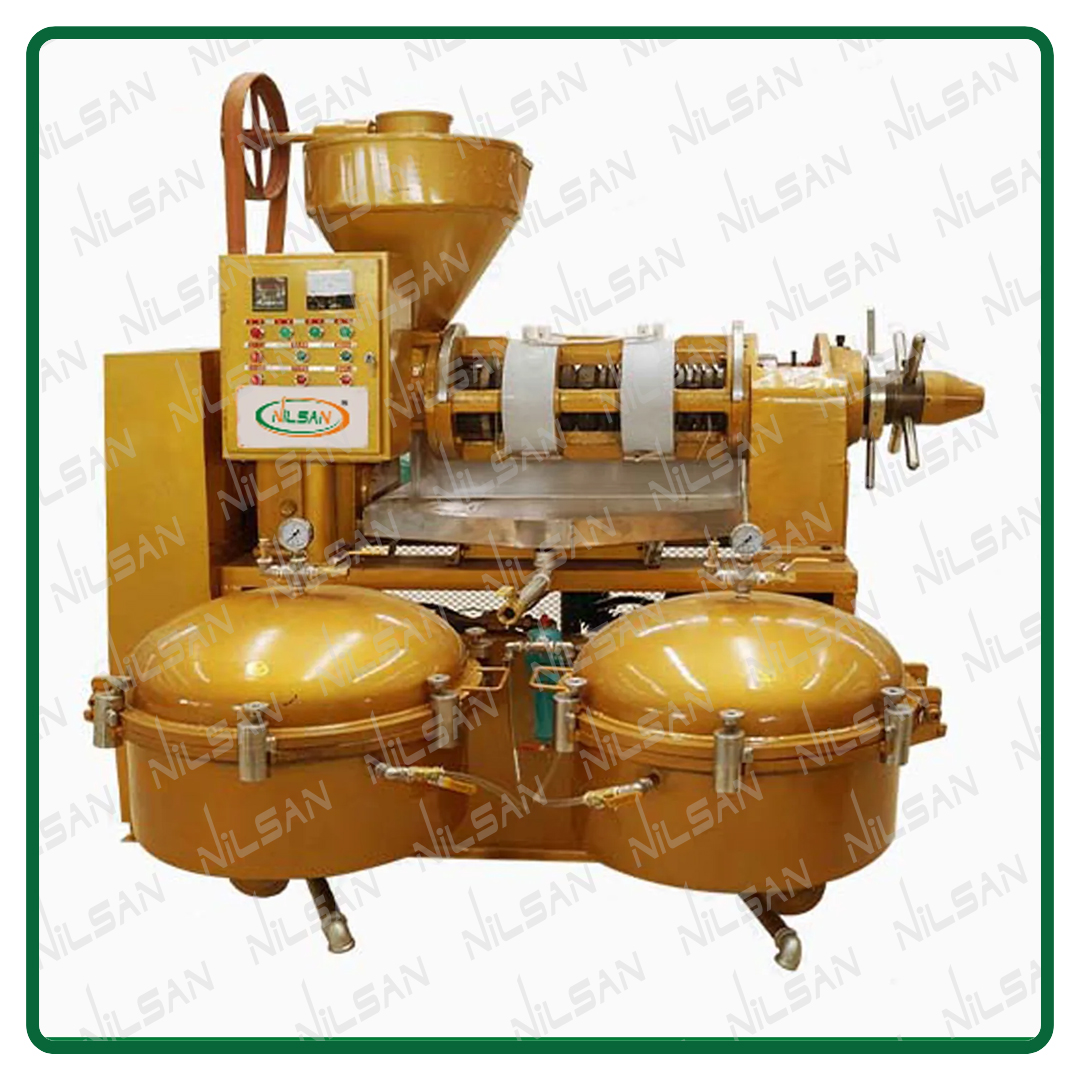


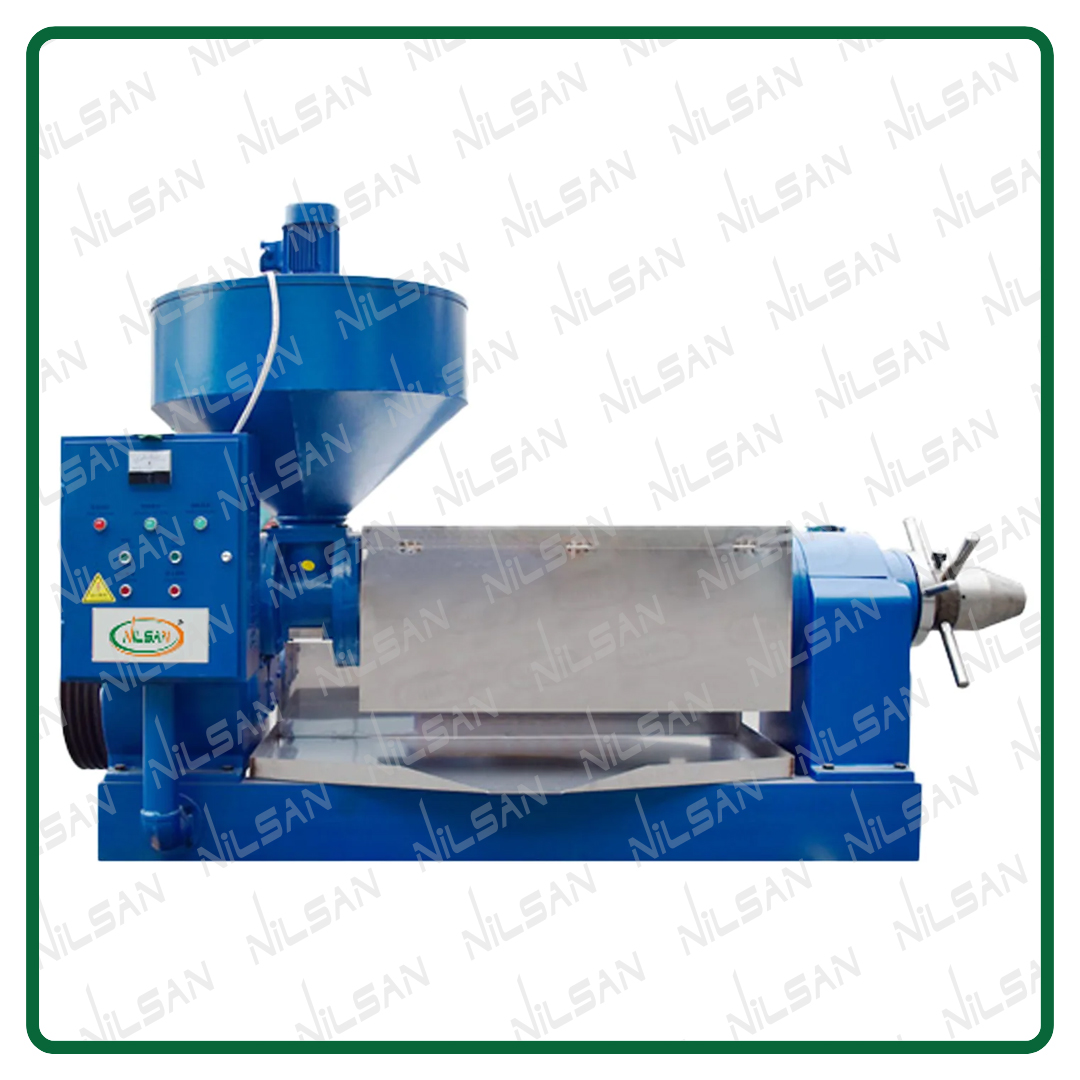


Working Principle of Oil Expeller Machines
1. Feeding
The hopper sitting at the top of the machine is where everything begins. Seeds go in here and move down into the pressing chamber below. What happens at this stage matters more than most operators realise - seeds that go in unevenly, in bursts rather than a steady flow, create pressure fluctuations inside the chamber that show up as inconsistent oil output. A steady hand or an automatic feeding system makes the difference between batches that match each other and ones that do not.
2. Compression
Once inside the barrel, seeds meet the rotating screw shaft. This screw is not simply moving seeds from one end to the other - it is doing so through a space that shrinks as seeds travel through it. The taper in the barrel and the geometry of the screw work together to build pressure progressively. By the time seeds reach the narrow end of the barrel, the pressure acting on them is far greater than anything they experienced at the inlet. That pressure is the extraction mechanism - not heat, not chemicals, just force.
3. Extraction
There comes a point in the barrel where the pressure on the seeds exceeds what the cell walls holding their oil can withstand. At that point, the oil releases. It does not pour out - it finds its way through the narrow gaps built into the barrel wall and drains down below. What stays inside the barrel is the seed's fibre and protein structure, stripped of its oil content.
4. Oil Outlet
The oil that drains through the barrel gaps lands in a collection tray. From there, most setups route it directly into a filter - either a filter press or a simpler cloth filtration arrangement - that clears out the fine seed particles and cloudy sediment that come along with raw pressed oil. What you end up with after that step is clean, clear oil ready for storage or bottling.
5. Cake Outlet
The screw keeps turning after the oil has been extracted, pushing what remains out from the far end of the barrel. This compressed, dry block - the oil cake - comes out warm and firm. The protein and fat that stayed behind in the cake after pressing make it worth money on its own. Groundnut cake, sesame cake, mustard cake - all of them find buyers in livestock feed markets. It is the secondary revenue stream that most oil businesses factor into their unit economics from the start.
Benefits of Oil Expeller Machines
High Oil Recovery
Nilsan oil expeller machines are engineered to extract the maximum possible oil from each kilogram of seeds. Optimised screw design and precise barrel gap settings minimise the oil left behind in the cake, giving you better output per batch and lower raw material cost per litre.
Low Power Consumption
Despite the high pressure involved in mechanical oil extraction, Nilsan expellers are designed to deliver strong output without drawing excessive electricity. The motor specifications are matched to the production capacity so you are not paying for power you do not need.
Heavy Duty Body
Every machine in the Nilsan oil expeller range is built with heavy-gauge steel and food-grade stainless steel in all contact surfaces. The construction is meant for daily commercial use - not occasional home operation - and the build reflects that.
Easy Maintenance
The pressing chamber, screw shaft, and barrel are designed for straightforward access during routine maintenance. Blade inspection, chamber cleaning, and part replacement can be carried out without specialist tools or long machine downtime.
Multi Seed Processing
One machine processes a wide variety of oilseeds - groundnut, mustard, sesame, sunflower, soybean, coconut copra, flaxseed, castor, neem, karanj, palm kernel, and more. Adjustable gap settings and temperature controls allow the machine to be configured for different seed types without changing equipment.
Long Service Life
With proper daily cleaning, regular lubrication, and timely replacement of wear components, a Nilsan oil expeller machine runs reliably for years. The spare parts are genuine, available in stock, and designed to be replaced without requiring a full machine service visit.
Cold Press vs Hot Press
| Feature | Cold Pressing | Hot Pressing |
|---|---|---|
| Seed Temperature | No Preheating | Preheated |
| Oil Quality | Higher | Moderate |
| Nutritional Value | Preserved | Slightly Reduced |
| Oil Yield | Moderate | Higher |
| Best For | Organic & Edible Oils | Commercial Production |
Oil Expeller Capacity Guide
Choosing the right capacity is as important as choosing the right machine. Running a machine below its capacity wastes potential. Running it consistently above capacity wears it out faster and reduces output quality.
| Capacity | Best For |
|---|---|
| 5 – 20 kg/hr | Home and personal use |
| 50 – 100 kg/hr | Small businesses and startups |
| 200 – 500 kg/hr | Commercial oil production |
| 1000+ kg/hr | Industrial-scale oil processing |
Some Types Of Seed that will Press by Machine:-
(For Reference)
 Peanuts
- Sunflower seeds
- Soybeans Seed
- Seasame
- Safflower
- Mustard seeds
- Flaxseeds
- Coconut
- Castor Seeds
- Almond
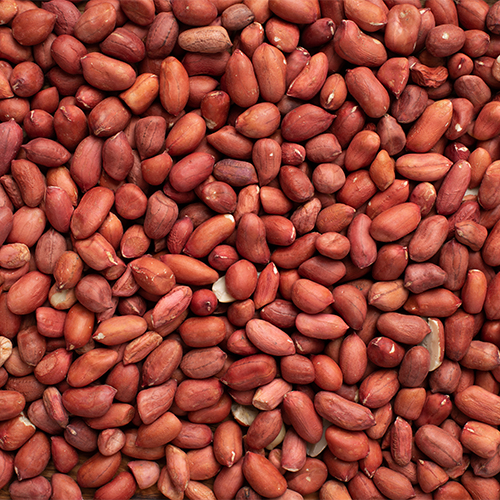
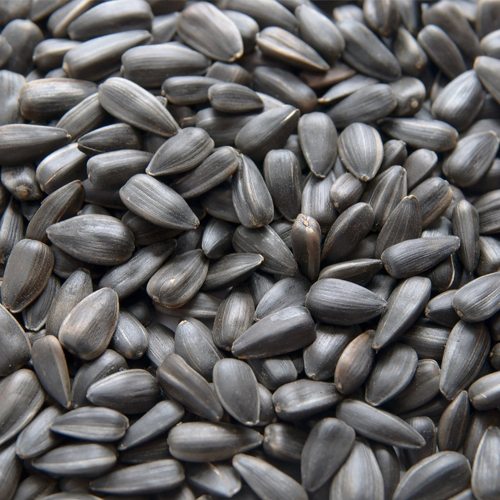
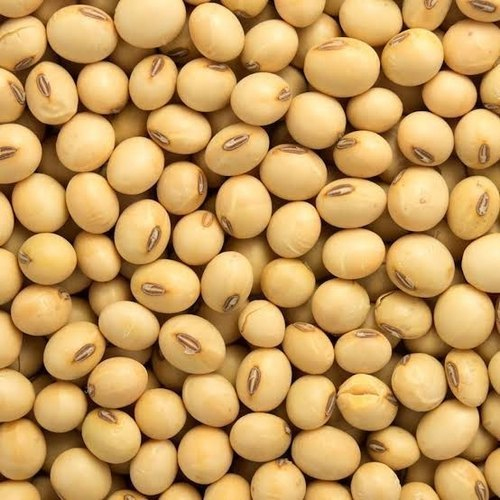
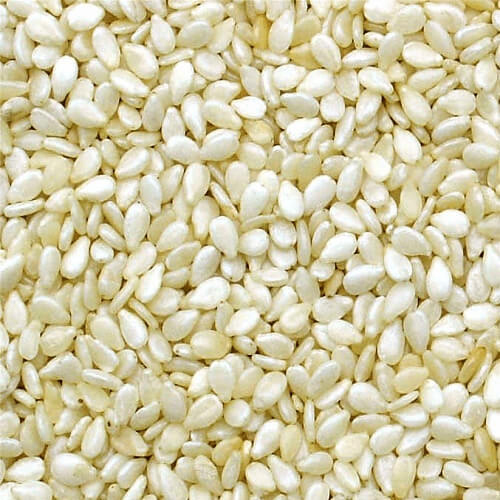
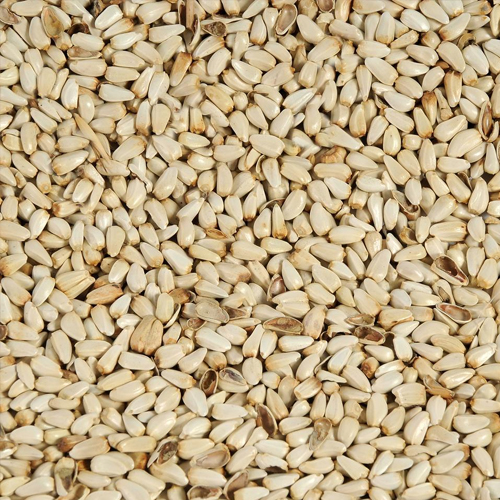
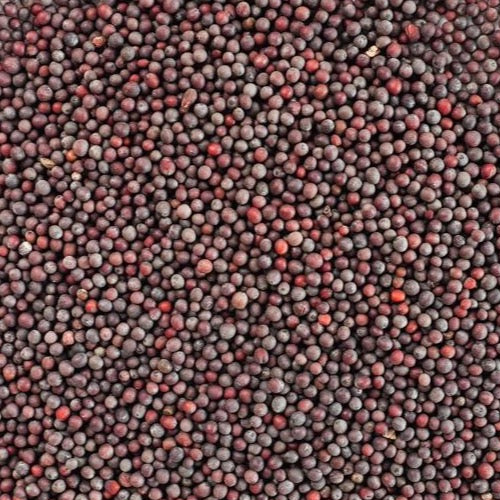
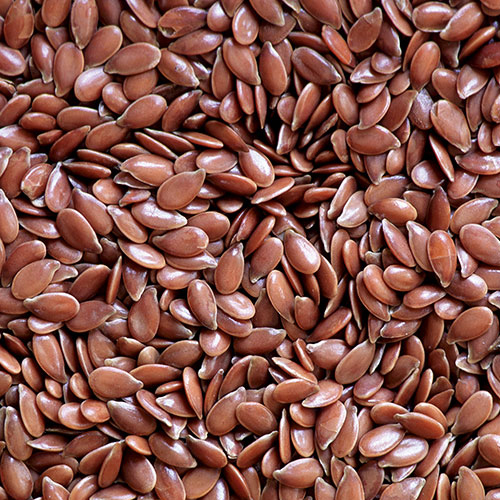
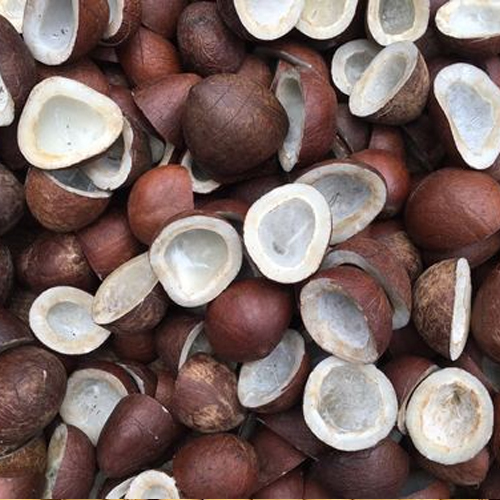
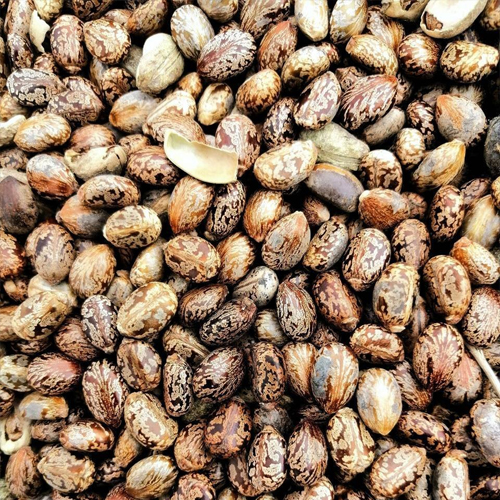
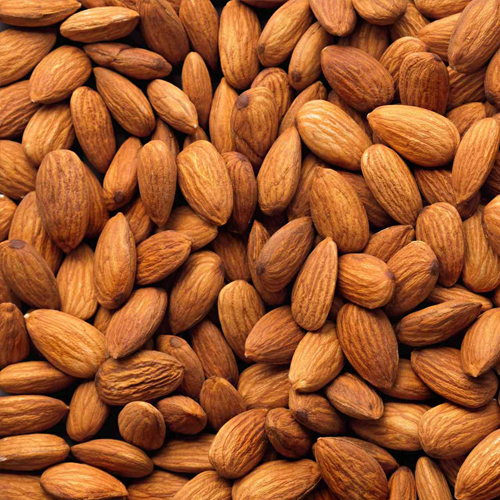
Our screw press machines can handle a wide range of seeds and nuts. This includes castor beans, coconuts/copra, cotton seeds, peanuts, sunflower seeds, jatropha seeds, mustard seeds (rapeseed/canola), neem seeds, palm kernel, sesame seeds, shea nuts, soybeans, flax seeds, and karanjia seeds, among others.
Oilseeds and nuts come in all shapes and sizes, with varying oil and moisture content. This means the ideal oil mill processing approach might differ slightly for each type. While there's no one-size-fits-all solution, most oilseeds, nuts, and kernels generally undergo a series of common steps to extract the oil:
Cleaning
Eliminating contaminants such as dirt, debris, and foreign objects.
Drying
Lowering moisture content to enhance the extraction and preservation of oil.
Size reduction
It is the process of crushing or grinding seeds to release more oil from their surface
area.
Flaking (Optional)
Creating thin flakes to further enhance oil extraction efficiency (applicable to some
seeds).
Cooking
Using heat to enhance the flow and quality of oil (used for specific seeds).
Tempering
Changing the temperature and moisture content to provide the best pressing conditions.
Operating Modes of an Oil Expeller
Oil expeller machines can operate using two common extraction methods: cold pressing and hot pressing. The choice between these methods depends on the type of oilseed, desired oil quality, and production requirements. Understanding both methods helps in selecting the right oil extraction process for your business.
Cold Pressing
No heat enters the process at any stage. Seeds go straight from the hopper into the pressing chamber at whatever temperature they arrive - room temperature, essentially. Because the extraction happens without warmth, the oil that comes out still carries everything the seed put into it - the natural flavour, the original aroma, the vitamins and antioxidants that heat would have driven off. This is why cold-pressed oil commands a premium in health markets, organic stores, and among consumers who read labels. The oil cake from cold pressing also retains more of its nutritional profile, which makes it more valuable as animal feed compared to cake from hot-pressed batches.
Hot Pressing
Before seeds enter the expeller, they are heated. Warming seeds softens their cell walls and makes the oil inside them easier to release under pressure. The result is a noticeably higher oil yield per kilogram of seeds - which is why hot pressing is the standard approach in commercial operations where output volume drives the business model. The trade-off is that some of the heat-sensitive nutrients and aromatic compounds in the oil do not survive the process. For bulk edible oil production where yield matters more than premium positioning, hot pressing is the more practical choice.
Applications of Oil Expeller Machines
Edible Oil Industry
Oil expellers are the primary extraction equipment for producers of groundnut oil, mustard oil, sesame oil, sunflower oil, and coconut oil sold in the retail edible oil market.
Agriculture
Farmers and Farmer Producer Organisations use oil expellers to process their own harvest - pressing fresh oil on-site rather than selling raw seeds at commodity prices.
Food Processing
Food manufacturers use oil expellers to produce cooking oil for use in their own production - sauces, ready meals, snack coatings, and other food products where oil is an input ingredient.
Oil Mills
Traditional and modern oil mills run expellers as their core production equipment, processing large daily seed volumes for local wholesale and retail markets.
Export
Oil manufacturers producing for export markets use expellers that meet food-grade and international quality standards - Nilsan machines are ISO certified and export-ready.
Startups
New oil businesses entering the market with a mini or semi-commercial expeller use the lower-capacity models to build their customer base before scaling to larger equipment.
How to Choose the Right Oil Expeller for Your Business
Capacity
Put your actual daily seed processing requirement on paper - kilograms per working day at your current volume, not your target. That number tells you which capacity category to look at. Go one step above your current need so the machine still has room when your production grows by 20 to 30 percent.
Motor
The motor needs to match the hardest seed on your regular list. Castor, palm kernel, and whole black pepper are demanding. Sesame and dried turmeric are not. A machine whose motor is correctly sized for what it presses daily runs cooler, lasts longer, and consumes less electricity per kilogram of oil produced.
Seed Type
Make a list of every seed you plan to press - not just the main one. Confirm that the specific model you are considering handles all of them, not just the easiest one. Different seeds need different gap settings and sometimes different temperature approaches. A genuine multi-seed machine is designed around this. A general-purpose machine that technically handles multiple seeds may not do all of them well.
Budget
The cheapest machine that technically meets your capacity requirement is rarely the right one. Factor in expected maintenance costs, spare parts availability, energy consumption, and how long the machine is likely to run at full capacity before needing major attention. A higher upfront cost for a well-built machine often results in lower total costs over three years than a cheaper machine with higher ongoing costs.
Production Pattern
How many hours per day will the machine run? Will it run continuously across shifts or in single shorter sessions? Home-use machines are not built for eight-hour commercial cycles. Mini commercial machines handle extended daily use but are not built for round-the-clock industrial operation. Match the machine category to how you actually plan to use it.
Power Supply
Single-phase electricity is fine for home and mini commercial machines. Commercial and industrial models require three-phase supply. Check your location's power supply before comparing models - this single factor eliminates a significant portion of the options for many buyers before anything else is considered.
Future Expansion
If your oil business is growing - new customers, new product lines, new markets - think about where you will be in eighteen months, not just today. A machine bought exactly at your current capacity will be your bottleneck sooner than you expect if growth continues. Buying one capacity level above your immediate need is usually the smarter financial decision over a two- to three-year horizon.
Frequently Asked Questions
1. Which oilseeds can be processed in an oil expeller?
Groundnut, mustard, sesame, sunflower, soybean, coconut copra, flaxseed, castor, neem, karanj, cottonseed, and palm kernel all run well on Nilsan machines. That covers most of what oil businesses across India press on a regular basis.
2. What is the difference between an oil expeller and an oil press machine?
Both work the same way – a screw shaft pushes seeds through a tightening barrel to force oil out. The difference is mostly scale. Oil expeller usually refers to larger commercial machines. Oil press machine covers everything from home-use models upward.
3. Which oil expeller is suitable for home and commercial use?
For home use, the NS-TC-600 and NS-TC-750 are the right fit. Small businesses typically start with the NS-1200 or NS-CG-20. For commercial production, the NS-6500 and NS-10000 handle the volume, and the cold press models cover the NS-3000A to NS-20000A range.
4. How do I choose the right oil expeller machine?
Start with your daily seed processing requirement in kilograms and the hardest seed you plan to press regularly. Those two numbers narrow the options fast. Then check your power supply type and confirm who supports the machine after purchase.
5. What factors affect oil recovery in an oil expeller?
Seed moisture level, seed quality, chamber temperature, screw shaft condition, and how consistently seeds are being fed all make a measurable difference. A well-maintained machine with properly prepared seeds consistently gives better recovery than one that is not.
6. What industries use oil expeller machines?
Edible oil producers, food manufacturers, agricultural operations, oil mills, herbal and Ayurvedic product companies, export-oriented processors, and new oil business startups all use oil expeller machines regularly.
7. What is the capacity of an oil expeller machine?
Nilsan machines run from 5 to 20 kg per hour for home use, 50 to 100 kg per hour for small businesses, 200 to 500 kg per hour for commercial production, and 1000 kg per hour and above for industrial scale. The right capacity depends on your actual daily requirement.
8. What maintenance does an oil expeller require?
Clean the pressing chamber after every session. Inspect the screw shaft every few weeks for wear. Lubricate the gearbox on schedule. Replace worn parts before they damage the components around them – Nilsan keeps genuine spare parts in stock.